September 24, 2026
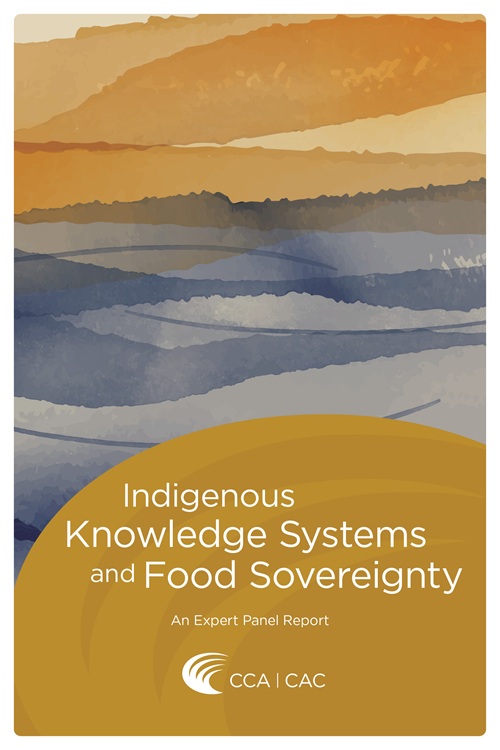
Indigenous Knowledge Systems and Food Sovereignty
An Expert Panel Report
Indigenous Peoples’ knowledge and food systems are interrelated, mutually sustaining, and grounded in responsibilities that connect Indigenous Peoples to Land, Water, and living and non-living Kin relations. Healthy Indigenous knowledge systems (IKS) are supported by recognition of and respect for Indigenous rights, sovereignty, governance, and self-determination. Healthy IKS depend on access to territories, intergenerational learning, language continuity, individual and community well-being, and the cultural resurgence of Indigenous Peoples. Healthy Indigenous food systems derive from and reinforce these knowledge systems—they enable Indigenous Peoples to support themselves and their communities in a self-determined way. When supported appropriately, these systems generate social, environmental, economic, and cultural benefits.
Despite growing recognition of Indigenous knowledges in national and international policy, federal governance structures continue to operate within colonial frameworks. Existing mechanisms typically consider Indigenous knowledges as input, without sharing control or enabling Indigenous decision-making power. As a result, the inclusion of Indigenous knowledges often remains extractive, producing limited or no reciprocal benefits for the communities that hold them. Meaningful bridging of knowledge systems requires institutional learning and transformative change across government and society.
Indigenous Knowledge Systems and Food Sovereignty examines the tools and strategies available for transforming policy and governance in ways that advance Indigenous priorities and bridge western and Indigenous knowledge systems for the benefit of all. The report provides critical contemporary and historical context, identifies key qualities and characteristics of healthy and sovereign Indigenous Peoples’ food and knowledge systems, and highlights Indigenous-led initiatives that support Indigenous food sovereignty.
This project was supported by the Government of Canada, through the Strategic Science Fund.
Supporting IKS is inseparable from supporting Indigenous rights, responsibilities, sovereignties, and relationalities. Policies that merely include Indigenous knowledges without sharing power are insufficient and risk perpetuating extractive dynamics. It is time to embrace transformative governance grounded in reciprocity, respect, and long-term relationship building. A framework built on foundational investments, reciprocal relationships, and shared authority can enable mutually beneficial governance arrangements. When Indigenous Peoples’ knowledge and food systems are healthy and sovereign, they generate social, environmental, economic, and cultural benefits for all people in Canada.
An Expert Panel Report