Newsletter
On being a scientist: A modern research mindset
In this edition:
- The modern research mindset
- How has a CCA report helped you? We want to hear your story
- Indigenous knowledge systems support pathways to stronger food sovereignty and better decision-making: New report
- Meet the experts examining advanced materials innovation in Canada
- In the news
The modern research mindset
The U.S. National Academies has released, On Being a Scientist, the fourth edition of A Guide to the Responsible and Ethical Conduct of Research. The resource is designed to help graduate students and early career researchers navigate a complex and evolving research landscape while providing a framework for responsible research practices for the entire scientific community.
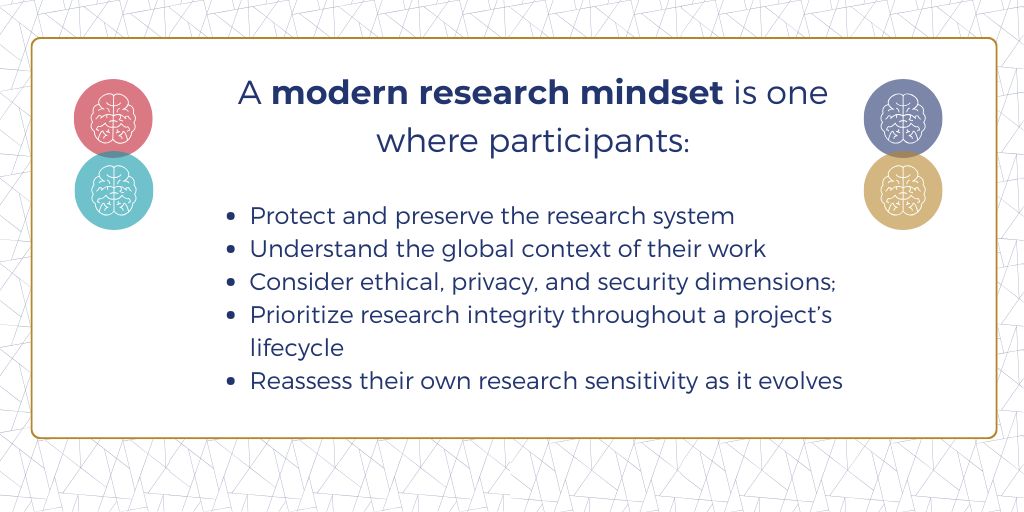
Our 2025 report, Balancing Research Security and Open Science, explored many of the same themes, highlighting potential strategies to safeguard national interests while preserving the openness that drives discovery, innovation, and prosperity. The continuous application and reassessment of these measures throughout the research process helps to foster a modern research mindset. Under a modern research mindset, all actors participating in the research ecosystem are aware of the context in which they conduct research, its impacts on the world, and of the policies, principles, and practices to address these impacts, including research security, open science, Indigenous rights, data sovereignty, ethics, consent, and research integrity. The modern research mindset is a key competency in today’s research landscape that allows individuals to assess how open and secure their research needs to be.
Panel member Jacqueline Littlewood discussed research security, open science, and how to identify and safeguard sensitive research of concern with fellow panel member Kelly Cobey (Director, Metaresearch and Open Science Program, University of Ottawa Heart Institute) and panel chair Martha Crago (former Vice President, Research and Innovation, McGill University) on her podcast in October 2025.
The Balancing Research Security and Open Science report page also includes:
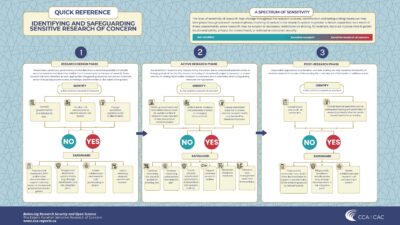
A Quick Reference guide for identifying and safeguarding sensitive research of concern across a spectrum of sensitivity.
A Research Security in Canada and Foreign Jurisdictions scan that provides an overview of select laws, regulations, policies, and guidance governing sensitive research in Canada, Aotearoa New Zealand, Australia, the European Union, France, Germany, the Netherlands, the United Kingdom, and the United States.
(pictured below)
Has a CCA report helped you? We want to hear your story
It’s just four short questions, and you can stay anonymous.
Indigenous knowledge systems support pathways to stronger food sovereignty and better decision-making: New report
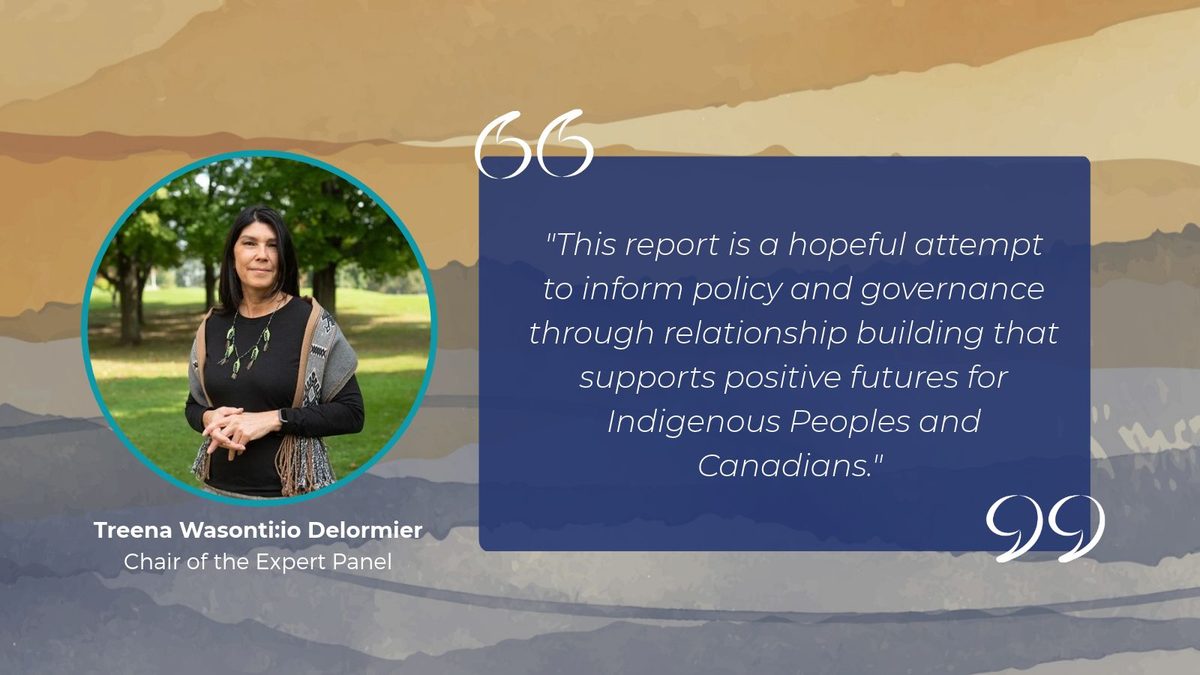
Our latest report examines the challenges of bridging knowledge systems through the lens of Indigenous food sovereignty, a priority that depends on more than access to food; the integrity, continuity, and self-determination of Indigenous knowledge systems (IKS) is essential. Indigenous Knowledge Systems and Food Sovereignty examines how policy and governance can better support these systems by advancing Indigenous priorities and strengthening social, environmental, and economic outcomes for everyone in Canada.
Meet the experts examining advanced materials innovation in Canada
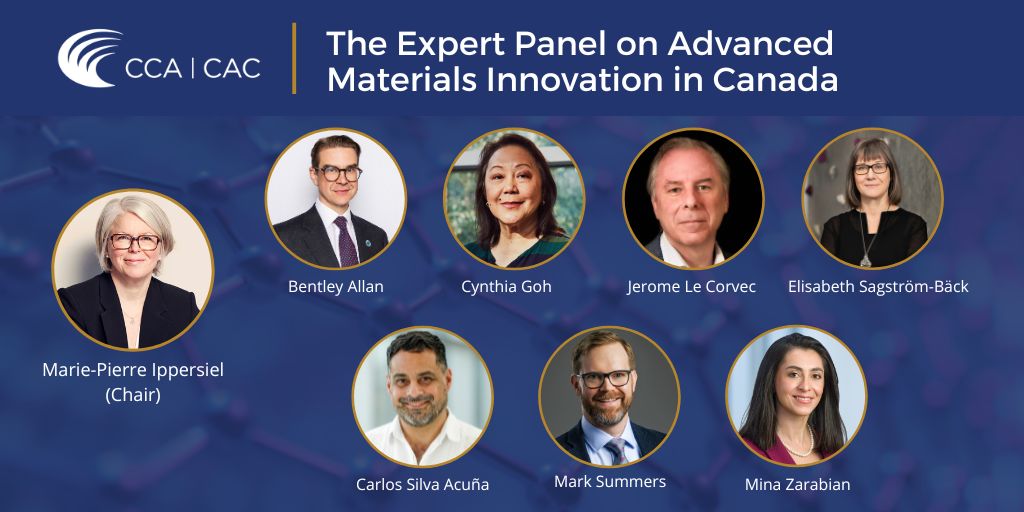
“Advanced materials are central to many of the technologies that shape Canada’s economy. I am looking forward to working with colleagues from across disciplines and sectors to assemble and curate the evidence required to inform decisions that advance Canada’s priorities and support the sector to contribute to long-term prosperity.”
-Marie-Pierre Ippersiel, Chair of the Expert Panel
To examine Canada’s position in the complex and rapidly evolving field of advanced materials, we have convened an expert panel spanning materials science, research and innovation, public policy, technology commercialization, and industry. Requested by the National Research Council of Canada, the assessment will provide decision-makers with the knowledge and insight needed to better understand Canada’s advanced materials landscape and its potential within a growing and strategically important sector.