Newsletter
November 2026
In this edition:
- Join our virtual conversation series on AI
- Geodetic infrastructure gaps threaten Canada’s ambitions for Arctic sovereignty, major projects, and climate adaptation: New report
- CCA Behind the Scenes: Panels and progress in November
- Find us at CSPC 2026
- In the news
Join our virtual conversation series on AI
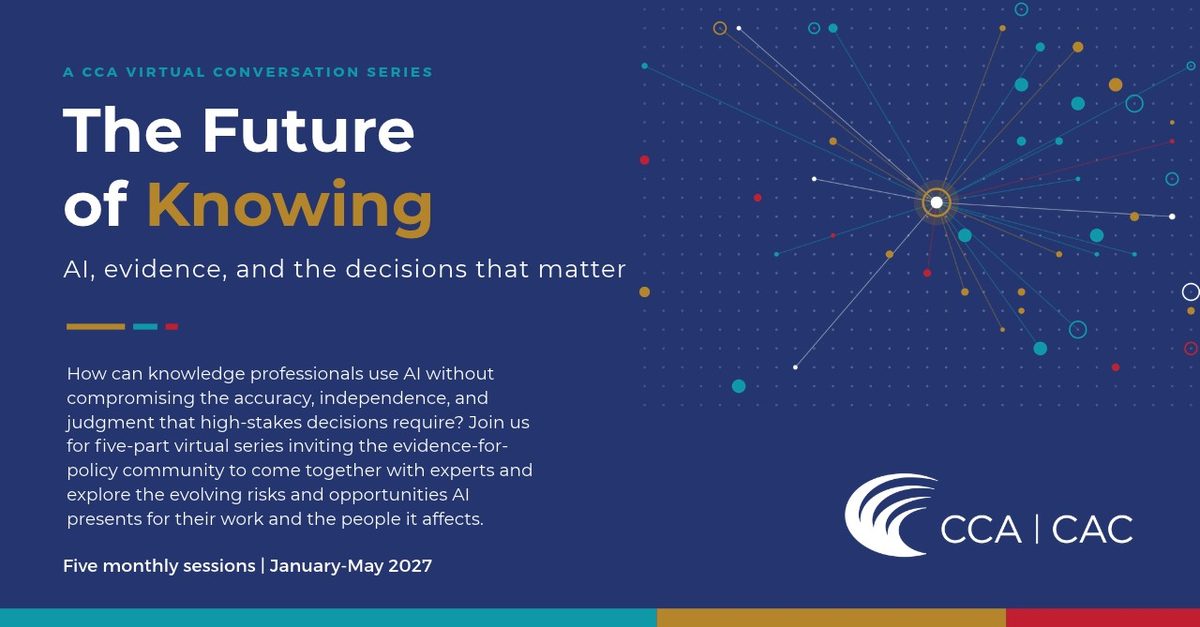
AI is transforming how knowledge is found, analyzed, and turned into advice, and institutions across government, industry, and the not-for-profit sector are navigating a complex journey to adopt these tools in responsible and helpful ways. The stakes are high. Decisions about drug approvals, infrastructure development, national defence, or public safety demand evidence that is accurate, nuanced, and informed by the context under which they will be implemented.
For the people who produce that advice, the pressure to adopt AI often comes without clear guidance on when it helps, where it fails, and what knowledge is required to use it well. So, they’re figuring it out on their own.
The CCA is hosting a five-part series that invites the evidence-for-policy community to come together with experts to explore the evolving risks and opportunities AI presents for their work and the people it affects. Together, we will create a shared understanding of the issues and build a community of practice to help participants judge if, when, and how AI belongs in their work.
- Session 1: The Current Landscape: How AI is already being used in evidence-informed decision-making
- Session 2: Whose Data, Whose Rules? Rights and responsibilities in AI-assisted research
- Session 3: Seen and Unseen: AI and the boundaries of legible knowledge
- Session 4: Making Sense of the Evidence: Accuracy, expertise, and accountability in analysis
- Session 5: Showing our Work: Trust and transparency in AI-assisted decision-making
Geodetic infrastructure gaps threaten Canada’s ambitions for Arctic sovereignty, major projects, and climate adaptation: New report
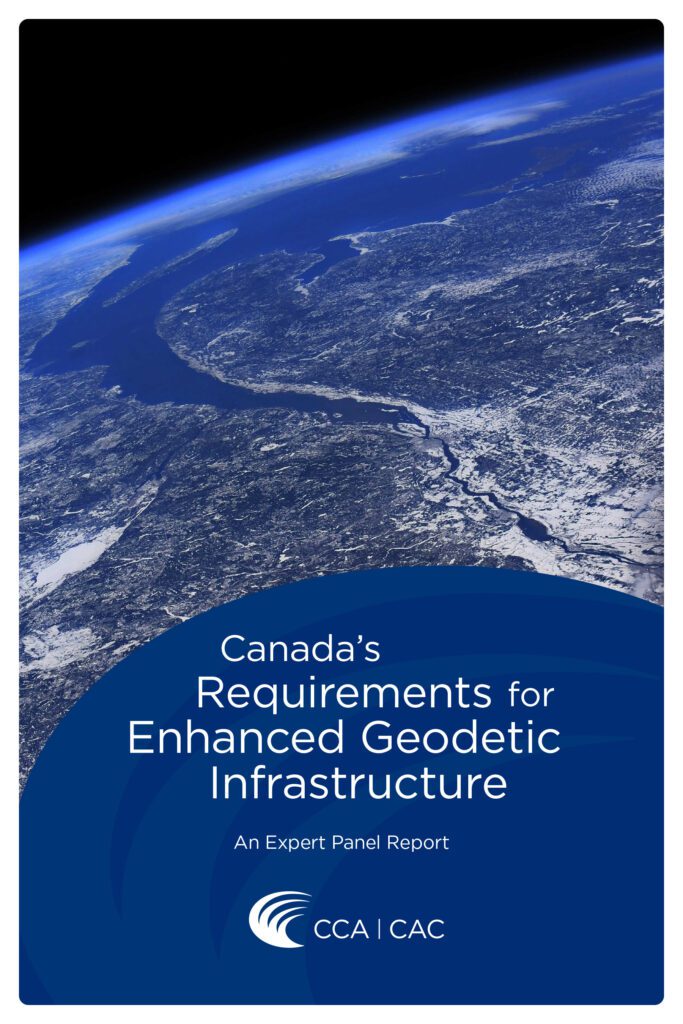
On Nov 19, we released Canada’s Requirements for Enhanced Geodetic Infrastructure. The report examines the importance of geodetic infrastructure to Canada’s economy, security, and sovereignty, and explores the opportunities and risks associated with renewed domestic investment. Geodetic infrastructure encompasses networks of ground stations, satellite systems, and other instruments that measure the Earth’s shape, gravity, rotation, and movement, providing the reference points needed for accurate positioning.
“A resilient national geodetic infrastructure is essential national infrastructure. Canada must invest in the geodetic infrastructure, expertise, and knowledge needed to know where we are, where things are, and how they change over time; supporting our economy, safety, defence, sovereignty, and ability to act independently.”
–Denis Hains, Chair of the Expert Panel
The report has caught the attention of experts and decision-makers across Canada, and beyond.
CCA Behind the Scenes: Panels and progress in November
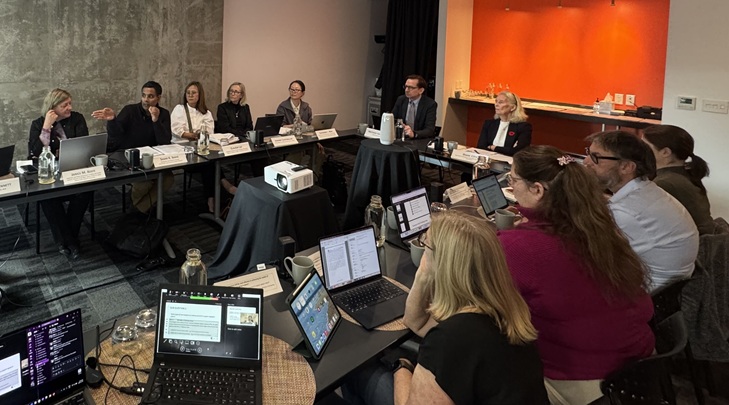
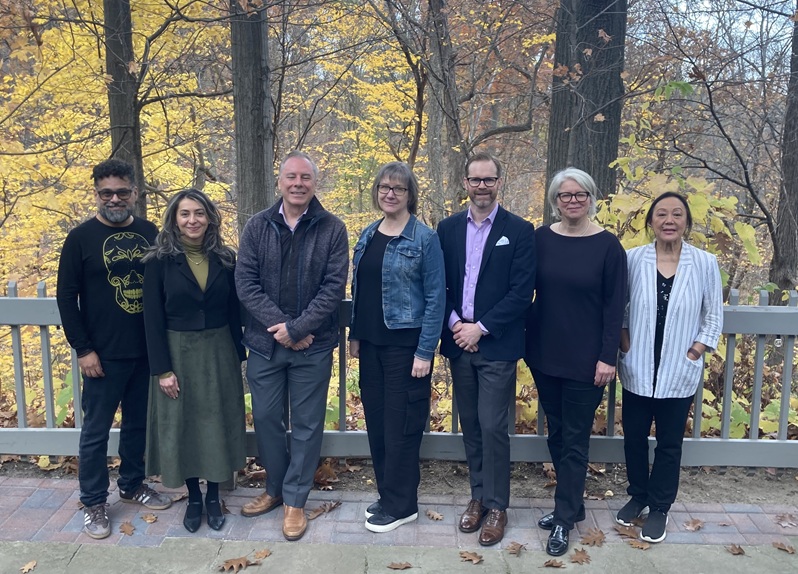
Our work depends on the generous contribution of time and expertise from the many individuals who serve on our expert panels. November has been a particularly busy month for panel members and staff as they came together to move their respective projects forward.
The Expert Panel on Advanced Materials Innovation in Canada met in Toronto for their second meeting (Nov 3–4). They took a guided tour of the National Research Council of Canada’s self-driving labs in Mississauga, reviewed and discussed key insights from the September workshop, and considered the research and evidence gathered to date.
Meanwhile, the Expert Panel on Supporting the Use of Technologies for Aging in Place addressed peer review comments and polished chapter findings during their fourth panel meeting in Ottawa (Nov 5–6). They are working towards a report release in early 2027.
The Expert Panel on The State of Citizen Science in Canada also held their fourth panel meeting (Nov 9–10) in Toronto. They prepared the report draft ahead of peer review taking place in early 2027.
Find us at CSPC 2026
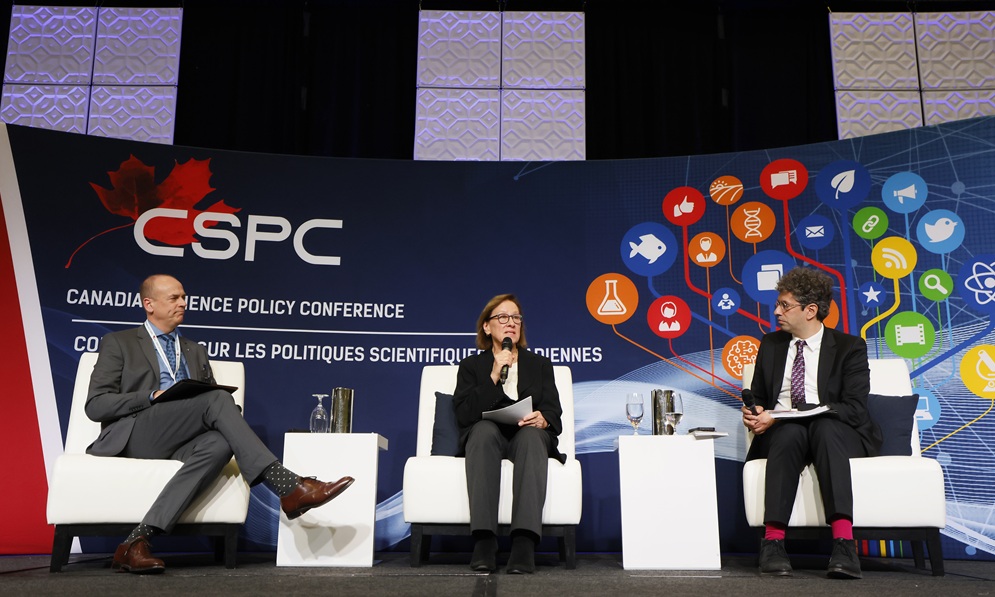
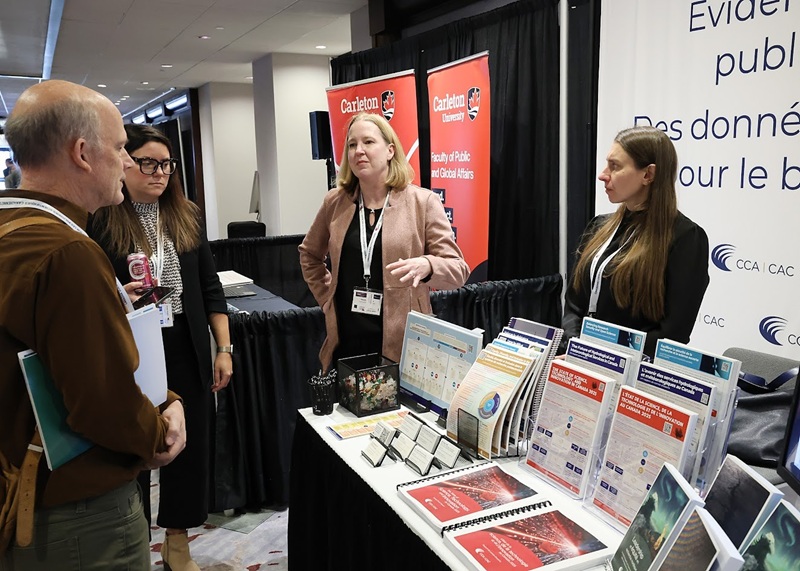
Attending CSPC 2026? Drop by our booth to say hello—the CCA team is looking forward to discussing recent reports, what we’re working on now, and ideas for new projects and collaborations. See you there!
This year’s theme is Sovereignty by Design: Mobilizing Action to Reshape Canada’s Science, Technology and Innovation Capacity. Suzi Loney (CCA Research Director) will be speaking at the session, AI at the helm? Prospects for using AI to inform trusted policy and decision-making in Canada, about how AI can responsibly strengthen evidence-informed policymaking, as part of the AI Policy and Governance Summit on Nov 24. Speakers will discuss emerging risks and best practices. Don’t miss it!